
Ski Resort Live Cams: How to Tell If Today Is Worth It (Fresh Snow, Ice, Whiteout & Lift Lines)
Check the ski cam before you drive up. Where to look to spot fresh grooming vs. ice, read the snow stake without getting fooled, see if it's raining at the bottom but snowing on top, and time the lift lines — with live cams in Japan, the Alps, Finland and the US.
The resort's snow report was written early this morning, often measured at one spot you won't ski. The webcam shows what the slope looks like right now. Here's where to look, and what it means for your day.
1. First: Is the Cam Actually Live?
Bottom line: If nothing in the picture is moving, don't trust it.
-
Step 1 · Check the Clock Warning: Frozen PictureIs the Time on Screen Actually Ticking?
-
Step 2 · Look for Movement Warning: Video on LoopAre Trees, Flags, or Lifts Moving?
-
Step 3 · Foggy Lens Check Warning: Ice or Water on GlassIs the Mountain Foggy, or Just the Camera?
-
Step 4 · Snow Check Verdict: Picture Looks LiveSnow Guns vs. Real Storm Snow
Frozen pictures
Cams on the summit sit in -15°C to -30°C. They lose power or signal, and the stream keeps showing the last frame — or loops a few seconds over and over.
- Look for movement: trees swaying, snow falling, flags flapping, skiers moving.
- Check the clock: the time on screen should be ticking and match the resort's local time.
Ice or water on the lens
- Milky blur that never moves: if the same part of the picture stays foggy no matter where the cam points, ice has built up on the camera cover (this is called rime). It's the lens, not a storm.
- Drops running down the lens: that's rain, so it's above 0°C there. Snow sticks or bounces off; it doesn't run.
2. Groomed, Powder or Ice? Read the Snow Surface
Bottom line: Lines are good, shine is bad. Look at the slope in low morning sun.
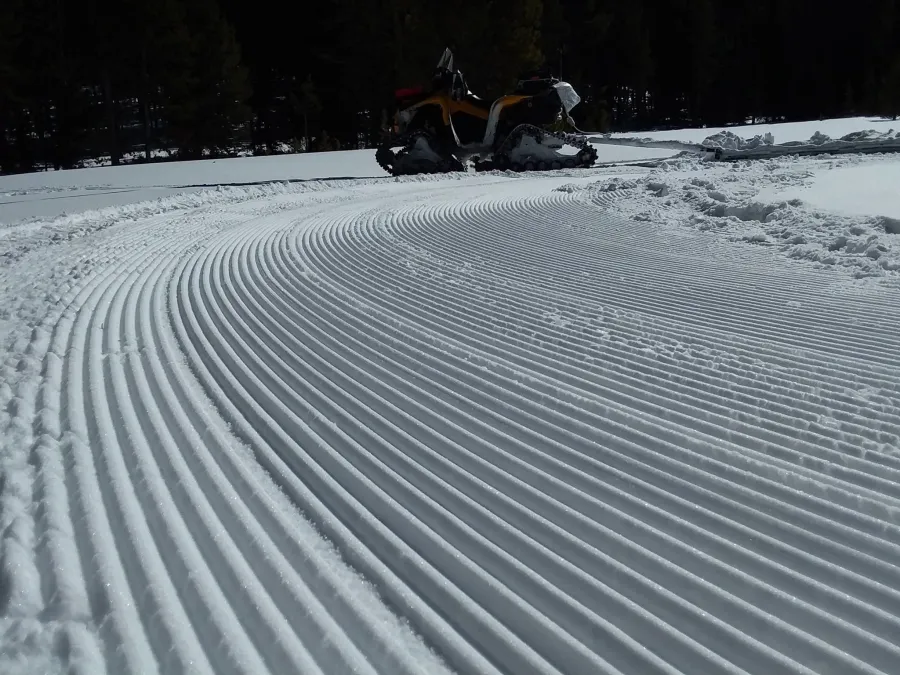
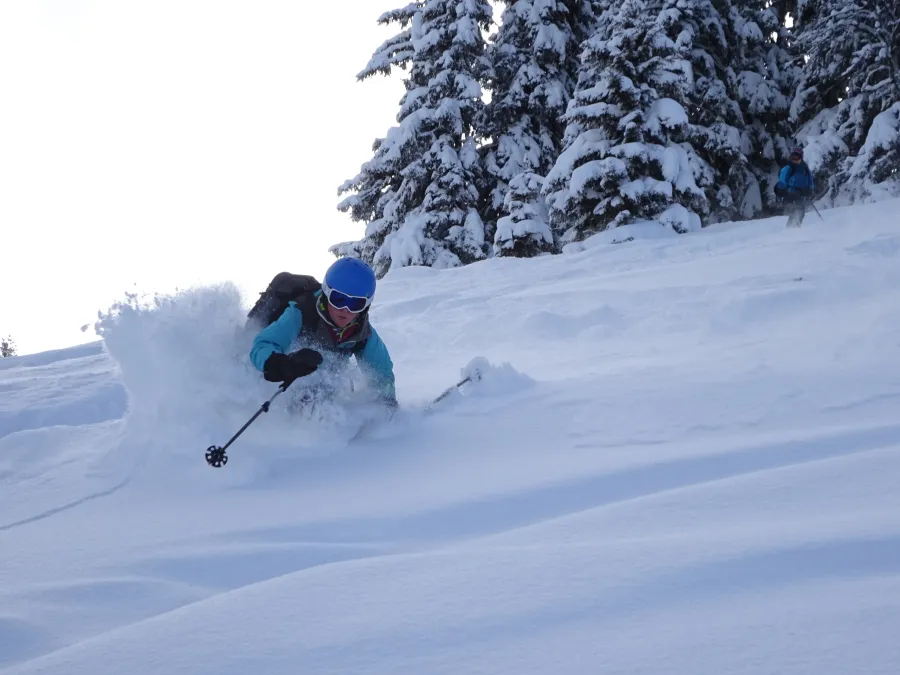
| What you see on the cam | What it is | What it means for you |
|---|---|---|
| Soft, smooth, matte white; edges of rocks and bumps rounded off; skiers throw up spray | Fresh powder | Great day. Get up early before it's tracked out. |
| Neat parallel lines straight down the slope, small shadows between them | Fresh grooming ("corduroy") | Fast, easy cruising for the first hour or so. |
| Flat, glassy, shiny patches; skiers skidding sideways and kicking up white scrape dust | Hard pack / ice | Sharp edges help. Stay off steep runs. |
| Heavy, wet, lumpy snow piled up at the turns; shiny wet look | Spring slush | Soft and slow. Better late morning than early. |
| Ripples like sand dunes, bare ground showing through | Wind-blown crust | Bumpy and hard. The wind took the good snow somewhere else. |
Niseko Annupuri (Hokkaido): Bottom and Top
Niseko gets regular snowstorms off the Sea of Japan. Check the base cam and the top cam together.
3. The Snow Stake: How Much Fell Last Night?
Bottom line: The stake shows snow since yesterday afternoon, not how deep the snow is overall.
A snow stake cam points at a ruler standing on a flat board. It's the quickest way to see last night's snowfall — if you read it the right way.
-
Step 1 · Overnight Snow Watch out: 24h snow vs. total mountain baseThe Afternoon Reset Sweep
-
Step 2 · Wind Check Watch out: Wind piling snow against the rulerSlanted Drifts on the Board
-
Step 3 · Settling Check Normal: Snow packing down under its own weightThe Number Can Drop Without Snow Melting
-
Step 4 · Tree Check Sign: Calm StormSnow Pillows on Tree Branches
Five Things to Know
- Inches or centimeters: US stakes like Mt. Bachelor in Oregon use inches (0–30). Japan and Europe use centimeters.
- It gets cleared every afternoon, usually around 16:00. So 25 cm (10 in) at 07:00 means 25 cm fell overnight. It does not mean the mountain only has 25 cm of snow.
- Watch for wind piles: if the snow slopes up against the ruler like a ramp, wind blew it there. Look at the height across the flat part of the board, not the top of the ramp.
- Fresh powder sinks: light new snow settles under its own weight, so the number can drop a little when the snow stops. That doesn't mean snow disappeared.
- Look at the trees behind it: snow sitting on the branches means the night was calm and the snow landed evenly. Bare branches with snow on the ground means strong wind — ridges got blown clean and the snow piled up in sheltered gullies.
4. Raining at the Bottom, Snowing at the Top?
Bottom line: A wet base cam doesn't mean a wet day. Always check a higher cam too.
In a storm it gets roughly 5–6°C colder for every 1,000 m you go up. That means the line between rain and snow often sits halfway up the mountain.
Hakuba Happo-One (Nagano): Valley vs. Mountain
Happo-One has more than 1,000 m between top and bottom. The Usagidaira area is at about 1,400 m; Parking Lot 3 is down in the valley at about 760 m.
Where the Rain Turns to Snow
- Rain or snow? Wet car windows, puddles and wet pavement on the valley cam — but dry snow blowing on the upper cam — means the upper runs are fine and the lower ones are wet.
- Find the snow line: look at the hillsides. Where dark trees and bare ground turn white, that's where it's freezing. If that line is above mid-mountain, the runs back to the village will be heavy and slushy.
- Ice on the lifts: in freezing fog, white ice grows on lift towers and cables on the side facing the wind. Compare with the high-elevation trees at Zao Onsen:
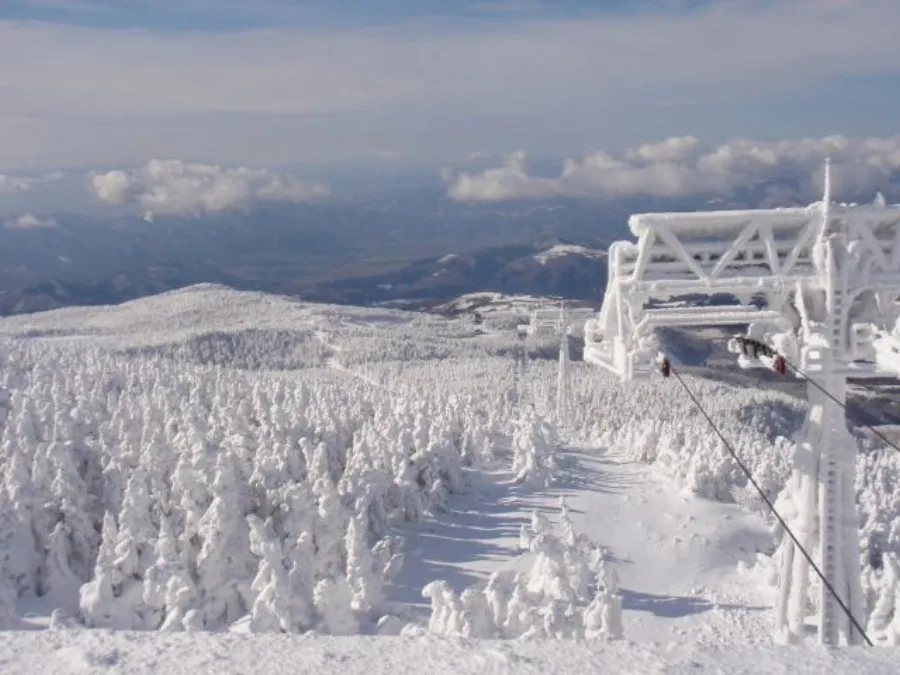
Shiga Kogen Kumanoyu: Cold Up High
Shiga Kogen is one of the highest ski areas in central Honshu, with runs above 2,000 m. The Kumanoyu base sits at about 1,700 m, which is why it's usually one of the first places to open on natural snow.
5. Can You See? Flat Light vs. Whiteout
Bottom line: Count the lift towers. Fewer than two, stay near the trees or wait it out.
Losing your sense of the slope is one of the most common ways people get hurt on the mountain. The cam tells you which goggle lens to bring — or whether to stay down in the trees.
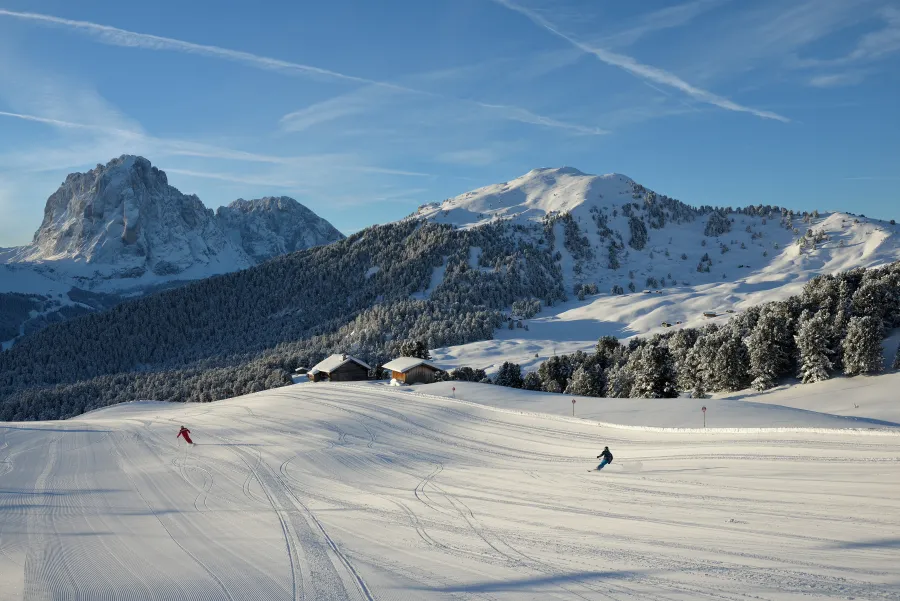
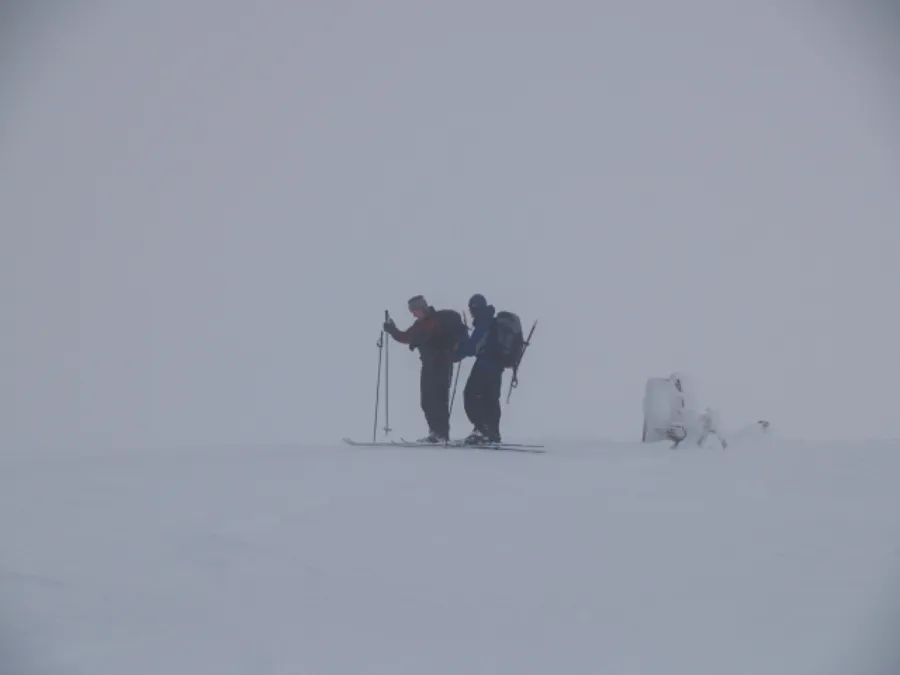
- Sky Solid grey overcast deck
- Shadows Zero shadows on the snow
- What You See Trees and lift towers still visible
- Main Danger Invisible bumps and sudden dips
- Sky Cloud sitting directly on the slope
- Shadows Ground and sky blur into pure white
- What You See Fewer than 1 lift tower visible (< 15 m)
- Main Danger Dizziness and skiing off trail into cliffs
The Lift Tower Count
Find a line of chairlift towers running up the slope and count how many you can see:
- 5 or more: good visibility (more than ~500 m).
- 2–4: getting murky (~100–300 m). Expect flat light on open slopes — you won't see the bumps.
- 1: you're inside the cloud (under ~50 m). Easy to lose your bearings on open slopes.
- None, only the foreground: whiteout. Don't go above the trees.
Tower spacing differs between lifts, so treat these distances as rough — the trend matters more than the exact number.
6. Alps, Lapland and the Rockies: What's Different
Bottom line: Same cam checks, different weather. Here's what to watch for in each region.
Verbier (Swiss Alps) & Levi (Finnish Lapland)
Verbier runs from the village up to glacier terrain. Levi is far north, so the snow stays cold and dry through long, dark winter days.
- Verbier, Médran base (1,500 m): late in the season, strong sun on south-facing slopes turns hard morning snow soft and heavy by early afternoon. Watch how short the building shadows get — short shadows mean strong sun and faster softening.
- Levi, Zero Point: in mid-winter it stays well below freezing, so the snow stays firm and dry all season. Floodlights keep the runs lit through the short days.
Breckenridge (Colorado)
Breckenridge's base is at 2,900 m (9,600 ft). That height keeps the powder cold and light, but after sunny days, check south-facing slopes for a hard crust.
7. When to Go: Beating the Lift Lines
Bottom line: Be early, or wait until about 09:30. The middle is the worst.
A cam pointing at the base lift tells you when the lines are long and when they aren't.
-
07:00 – 08:00 Where: Parking LotsArrival Wave
-
08:15 – 09:15 Where: Base Lifts & GondolasFirst Chair Rush (Worst Line)
-
09:45 – 11:30 Where: Upper Mountain & BowlsCrowds Spread Out (Sweet Spot)
-
11:45 – 13:15 Where: Mountain LodgesLunch Rush
-
14:30 – 16:00 Where: Lower Trails HomeHead Home Wave (Tired Legs & Bumps)
How the Morning Plays Out
- Watch the parking lot: at Hakuba Happo Parking Lot 3, watch how fast cars come in between 07:30 and 08:00. If the lot is nearly full before 08:00, expect 20–30 minute lines at the main gondola when it opens.
- The line clears mid-morning: between about 09:30 and 11:00, the crowd spreads out across the mountain. Getting to the base lift around 09:30 often means walking straight on.
8. All the Cams in This Guide
| Resort | Height · What the cam shows | Use it to check | Cam |
|---|---|---|---|
| Niseko Annupuri (Base), Japan | 400 m · Lodge terrace | How cold it is down low, how hard it's snowing | View Live Cam |
| Niseko Annupuri (Top), Japan | 1,000 m · Upper gate | Wind stops on top lifts, blowing snow, gate lines | View Live Cam |
| Hakuba Happo-One (Usagidaira), Japan | 1,400 m · Mid-mountain | Snow surface, snow line up high | View Live Cam |
| Hakuba Happo (Parking Lot 3), Japan | 760 m · Valley entrance | Rain or snow in the valley, how full the parking is | View Live Cam |
| Shiga Kogen (Kumanoyu), Japan | 1,700 m · High base | Cold high-altitude snow, early-season opening | View Live Cam |
| Zao Onsen, Japan | 900 m · Central slope | Snow cover on the lower runs | View Live Cam |
| Verbier (Médran), Switzerland | 1,500 m · Lift base | Snow line, spring softening, base lines | View Live Cam |
| Levi (Zero Point), Finland | 200 m · Front slopes | Cold dry snow, floodlit runs | View Live Cam |
| Breckenridge, Colorado, USA | 2,900 m · Base | Dry powder, fresh grooming | View Live Cam |
| Mt. Bachelor (Snow Stake), Oregon, USA | 1,900 m · Snow stake | Overnight snow in inches, wind piles | View Live Cam |
Frequently Asked Questions
The cam shows deep snow, but the resort report says only 5 cm. Who's right?
How do I tell fresh grooming from ice on a webcam?
What's the difference between flat light and a whiteout?
Why check both the top and bottom cams?
Official Resources & Weather Data
More Viewing Guides
Explore real-time observation guides across global destinations.